/475/1/174196946867d4583cc304c_logo-updated.png)
Is an Electric Vehicle Right for Me?
Is an Electric Vehicle Right for Me?
Electric cars are no longer a future idea. They’re here and for many drivers they now make sense. But that doesn’t automatically mean an electric vehicle is right for everyone.
If you’re asking, “Is an electric vehicle right for me?” you’re already thinking about the right things. This guide will walk you through the important questions, from daily driving and charging to running costs and long-term value. By the end, you should have a better idea of whether an EV suits your lifestyle, or whether petrol, diesel or hybrid might be the better option
We’ll also look at how models like the Suzuki e Vitara compare, along with the used electric vehicles currently available.
What Does Owning an Electric Vehicle Involve?
Before deciding if an EV is right for you, it helps to understand what’s different compared to a petrol or diesel car.
An electric vehicle runs on a battery instead of an engine. There’s no fuel tank, no exhaust, and no traditional gears. You charge the battery using electricity, either at home or at public charging points.
The driving experience is smooth and quiet. There’s instant pull away from traffic lights and no gear changes and for many people, that’s one of the biggest advantages.
But ownership also means thinking about charging rather than refuelling. That’s usually the main adjustment.
How Far Do You Drive Each Day?
One of the most important questions is simple: how many miles do you actually drive?
The average UK driver covers around 20 to 30 miles per day. Even smaller battery electric cars now offer well over 150 miles of range. Larger models, such as the Suzuki e Vitara, offer significantly more, depending on battery choice.
If the driving you do is mostly commuting, school runs and local trips, an electric vehicle will likely cover your needs easily. You could charge once or twice a week and be more than comfortable.
If you regularly drive long motorway journeys of 200 miles or more in one go, you’ll need to plan charging stops. Rapid chargers are widely available, but it does require preparation in advance.
So ask yourself honestly: are most of your journeys local, or long distance?
Can You Charge at Home?
If you have a driveway or private parking, installing a home charger makes electric car ownership simple. You plug in overnight and wake up to a full battery. Charging at home is usually the most cost-effective way to run an EV, especially if you use off-peak electricity rates.
If you rely on on-street parking with no access to a charger, ownership becomes more dependent on public charging. The UK charging network is growing quickly, but convenience varies depending on where you live.
If home charging is possible for you, an EV becomes far more practical and cost effective.
What About Running Costs?
Electric vehicles often cost more to buy upfront than petrol equivalents, although used electric cars are becoming more affordable each year.
Where EVs tend to stand out is in day-to-day running costs. Electricity is usually cheaper per mile than petrol or diesel, particularly if charged at home. There are also fewer moving parts in an electric car meaning no oil changes, no spark plugs and no exhaust system. Regular servicing is still important, but it’s generally simpler.
Models such as the Suzuki e Vitara also come with comprehensive warranty cover, including battery protection, which gives reassurance about long-term ownership.
However, public rapid charging can be more expensive than home charging. If you expect to rely heavily on public chargers, it’s worth factoring that into your calculations.
How Long Do You Plan to Keep the Car?
If you usually change your car every two or three years, an EV could suit you well. Battery technology continues to improve, and resale values for popular electric models remain steady.
If you plan to keep your car for ten years or more, it’s worth considering battery warranty and long-term support. Most modern electric vehicles offer extensive battery warranties, often around eight to ten years.
Suzuki supports the e Vitara with a 10-year / 100,000 mile service-activated warranty, covering both vehicle and battery and that makes longer-term ownership far less concerning than it once was.
Are You Buying New or Used?
Buying a new electric vehicle gives you the latest technology, full warranty cover and access to current offers. The Suzuki e Vitara represents Suzuki’s first fully electric model in the UK, combining familiar practicality with electric power.
But electric ownership doesn’t have to mean buying new.
Used electric vehicles can offer strong value. Many early EVs were well maintained and driven properly. Buying used allows you to transition to electric ownership at a lower price point, while still benefiting from low running costs.
At the same time, petrol, diesel and hybrid vehicles remain strong options. Modern petrol engines are efficient and simple to live with, and hybrids offer electric assistance without needing to plug in. The key is matching the car to your routine, not forcing your routine to match the car.
How Does the Suzuki e Vitara Fit In?
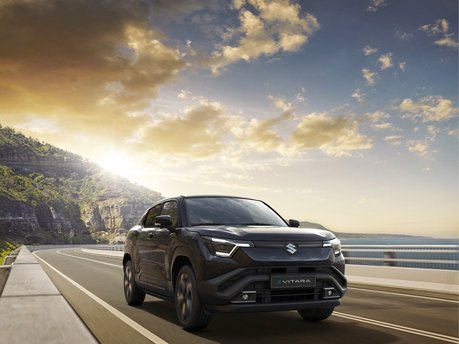
For drivers considering electric for the first time, the Suzuki e Vitara is designed to feel familiar. You still get everything you’d expect from a Vitara, but now with the added benefits of electric power, plus:
- A higher driving position that gives you a clear view of the road and added confidence in traffic
- Space that comfortably handles family life, shopping trips and weekends away
- A quiet, smooth drive with no gear changes and no engine noise
- Instant acceleration when pulling away or joining a motorway
- Modern driver assistance systems that support you on longer journeys
- A simple, easy-to-use infotainment system that doesn’t overcomplicate things
In short, it still feels like a Vitara but the difference is in how it drives and how it’s powered. For someone already comfortable with the Vitara name, the e Vitara offers a natural step into electric without changing everything else you like about driving.
When Might Petrol, Diesel or Hybrid Be Better?
An electric vehicle may not be right for you if:
- You cannot charge at home and local public charging is limited.
- You regularly cover very long distances without predictable stopping points.
- You need to tow heavy loads frequently.
- You simply prefer the familiarity of refuelling at a petrol station.
Hybrid vehicles can be a good middle ground because they reduce fuel consumption without requiring charging. Petrol vehicles remain widely supported.
But most importantly, there’s no single correct answer for everyone.
Everyday Life with an Electric Vehicle
Most EV owners say the biggest adjustment happens in the first few weeks. After that, charging becomes part of their everyday routine. Instead of visiting a petrol station once a week, you plug in at home. Instead of engine noise, you drive quietly. Instead of watching fuel prices rise, you monitor electricity tariffs.
Planning longer trips takes slightly more thought, but rapid chargers make this manageable. If your driving pattern is predictable and home charging is available, daily life often becomes simpler, not more complicated.
Questions to Ask Yourself Before Deciding
If you’re still unsure, ask yourself:
- How many miles do I realistically drive each week?
- Can I install a home charger?
- Am I comfortable planning longer journeys in advance?
- Do I want lower running costs?
- Do I prefer quiet, smooth driving?
If most answers point towards yes, electric is likely worth serious consideration. If several answers raise concerns, hybrid or petrol may suit you better for now.
Is an Electric Vehicle the Right Choice for You?
For many UK drivers, the answer is increasingly yes.
If you have access to home charging, drive mainly local journeys, and want lower day-to-day running costs, an electric vehicle can make a lot of sense.
Models like the Suzuki e Vitara make the switch easy and straightforward, combining practicality with electric efficiency. Used electric vehicles provide a lower entry point, while petrol and hybrid options remain available if your needs point in that direction.
The important thing is not to choose based on media headlines or assumptions. Choose based on your own driving habits.
If you’re unsure, the best next step is simple.
Visit your local Hilton’s Suzuki dealership in Bedford or Bishop’s Stortford to see for yourself how an electric car could fit into your life. Compare the e Vitara with petrol and hybrid alternatives. Ask questions. Take a test drive. Then decide with confidence.