/475/1/174196946867d4583cc304c_logo-updated.png)
Which Electric Vehicle Has the Longest Range?
Electric vehicle range has changed considerably in a relatively short period of time. A few years ago, achieving 100 miles from a full charge was considered impressive. Today, many electric cars can travel more than 250 miles according to official figures, while some of the longest-range electric vehicles have now passed 500 miles.
So, what electric vehicle has the longest range?
As of September 2026, the longest-range electric cars available in the UK can officially travel more than 500 miles on a full charge. The Mercedes-Benz EQS currently sits among the leaders with a maximum WLTP range of up to 542 miles, depending on the version. Other long-range models include the Volvo EX60 with up to 503 miles and the BMW iX3 with up to 500 miles.
Those figures are impressive, but there is another question worth asking before choosing an electric car:
“How much range do you actually need?”
Choosing an EV purely because it has the longest possible range could mean prioritising something that is rarely used. In this article, we'll explain how electric vehicle range is measured. We'll also consider what affects range in everyday driving and how models such as the Suzuki e Vitara fit into the picture.
Range figures and model availability in this article were checked in September 2026. Electric vehicle specifications can change, so always check the latest manufacturer information when comparing models.
What Does WLTP Electric Range Mean?
Most manufacturers quote an electric vehicle's range using a figure called WLTP. WLTP stands for Worldwide Harmonised Light Vehicles Test Procedure. Put simply, it provides a standardised way of testing cars so buyers can compare one vehicle with another.
If one car has an official WLTP range of 250 miles and another has 400 miles, you have a consistent starting point for comparing them.
What WLTP doesn't tell you is exactly how far your car will travel every time you charge it.
Will an Electric Car Achieve Its Official Range?
Sometimes it may get close but under other conditions, it won't. Your actual electric range can be affected by factors including:
- Outside temperature
- Driving speed
- Heating and air conditioning use
- The number of passengers and amount of luggage
- Wheel and tyre choice
- Road conditions
- Your individual driving style
Cold weather can have a noticeable effect on EV range because the battery and cabin require more energy. Sustained motorway driving can also use more electricity than lower-speed journeys.
That doesn't make the official figure meaningless. WLTP remains useful because vehicles are being measured against the same testing procedure. It should simply be treated as a comparison figure rather than a promise of exactly how many miles you'll achieve.
Do You Need an Electric Car With a 500-Mile Range?
Probably not, if your everyday driving is relatively typical. This is where looking only at the longest-range electric cars can become misleading.
Imagine your normal commute is 20 miles each way. Even allowing for other journeys during the week, an EV offering considerably less than 500 miles could still cover several days of driving before you need to recharge.
If you can charge at home, the requirement for a very large range becomes smaller again so instead of waiting until the battery is almost empty, you can plug the car in when it's convenient. It's similar to charging your phone. You don't usually wait for it to reach zero before plugging it in.
The question therefore changes from "Which electric car travels furthest?" to "How far do I need my electric car to travel?"
The second question is far more useful for the majority of drivers.
How Much Electric Vehicle Range Do I Really Need?
Start by looking at your own mileage rather than the largest number in a manufacturer's brochure. Think about the journeys you make during a normal week and then consider the longer journeys you make occasionally.
If most of your driving consists of commuting and local journeys, you will find an EV offering around 200 to 300 miles is already more than sufficient.
A driver regularly travelling several hundred motorway miles may place much greater importance on maximum range. In that situation, a longer-range EV could reduce the number of charging stops required.
There isn't one range figure that's right for everyone.
Questions to Ask Before Choosing Your EV Range
Ask yourself:
- How many miles do I normally drive each day?
- Can I charge at home?
- How often do I travel more than 200 miles in one journey?
- Where could I charge during longer trips?
- Would I regularly use the additional range I'm considering?
Answering those questions gives you a much better idea of what you actually need.
Not Sure What You Need From an Electric Car?
Range is only one part of deciding whether an electric vehicle is right for you. Your typical mileage and access to charging can make a big difference to how easily an EV would fit into your everyday life.
If you're still unsure, take our free EV Suitability Assessment. Answer 10 quick questions about how you drive and you'll receive a personalised result to help you understand whether an electric vehicle could suit your lifestyle.
Is a Bigger EV Battery Always Better?
A larger battery usually helps an electric vehicle travel further, but that doesn't automatically make it the right choice. Larger batteries add weight, they can take longer to charge and may mean choosing a different version of the vehicle.
Efficiency is important too. Two electric vehicles with similarly sized batteries don't necessarily travel the same distance because some use electricity more efficiently than others.
This is why battery size shouldn't be considered on its own. Look at the official range and think about how that compares with your normal driving.
If an EV comfortably covers your weekly requirements, paying close attention to the difference between two very large battery capacities may add little to your ownership experience.
H2 – How Does the Suzuki e Vitara Range Compare?
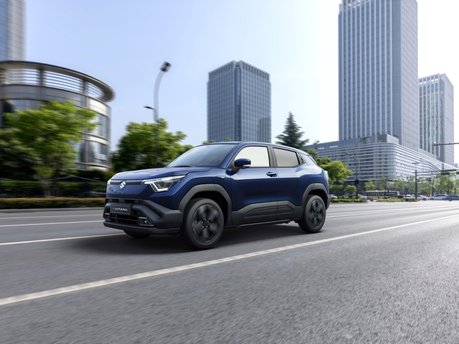
The Suzuki e Vitara offers an official WLTP electric range of between 213 and 264 miles, depending on the version chosen. These figures were current when checked in September 2026.
The e Vitara isn't designed around winning a headline range competition. Instead, it provides a level of range intended to work well for everyday driving while retaining the SUV qualities many Suzuki drivers are familiar with.
A range of more than 200 miles may already provide considerably more capacity than what is needed on a normal day for somebody commuting between home and work or completing mainly local journeys around Bedford or Bishop's Stortford,
The larger-range versions can officially achieve up to 264 miles, giving additional flexibility when longer journeys are required.
Is 264 Miles Enough Range for an Electric Car?
Most likely, but the answer to this question depends entirely on how you use it. A 264-mile official range doesn't mean you need to drive 264 miles and then find somewhere to charge. EV ownership generally works differently. If you have a home charger, you might plug in overnight when required. Your car can then be ready for the next day's journeys without a trip to a fuel station.
Even somebody travelling 40 miles every working day would cover around 200 miles across a five-day working week so the e Vitara range is more than adequate.
Longer journeys require more planning, but public rapid charging means you don't need a battery capable of covering every journey you will ever make without stopping.
Think about how often you genuinely drive more than 250 miles without taking a break. Your answer will likely change how important maximum EV range feels.
What Happens to EV Range on Long Motorway Journeys?
Motorway driving is where range often becomes more important. Electric vehicles tend to use more energy at sustained higher speeds, so the distance achieved may be lower than the headline WLTP figure.
Weather can make a difference too. A cold winter motorway journey with the heating running is likely to use more energy than slower driving in mild conditions.
If you regularly make long journeys, don't just compare maximum range. Look at the public charging available along the routes you normally use. Consider how long you're likely to stop and how quickly the vehicle can recharge.
A car with a shorter range but suitable charging capability could still work very well if your normal long-distance journeys include natural stopping points.
Does EV Range Matter Less If You Can Charge at Home?
For many drivers, yes. Home charging changes the way you think about range because you can start journeys with the battery charged rather than waiting until it is nearly empty before replenishing it.
Our guide to how much it costs to charge an electric car at home in the UK explains this in more detail, including how off-peak electricity tariffs can affect running costs.
Charging at home won't suit everybody. Drivers without off-street parking may depend more heavily on the public charging network, making range and local charger availability more important considerations.
Should Range Be the Main Reason You Choose an Electric Car?
Range should be part of the decision, but it shouldn't automatically be the deciding factor. Once you've established that a vehicle can comfortably cover your normal journeys, other aspects of ownership become increasingly important.
You may want to think about interior space and how easily the vehicle fits on your driveway. Warranty cover could be particularly important if you're planning to keep the car for several years. Charging arrangements also deserve consideration.
This is one reason we recommend starting with your lifestyle rather than a specification sheet.
Someone driving 8,000 miles per year may have very different requirements from somebody travelling 25,000 miles per year. Choosing the car with the longest possible range doesn't necessarily make either person's decision better.
H2 – Electric Vehicle Range FAQs
What electric vehicle has the longest range in the UK?
As of September 2026, current UK listings place the Mercedes-Benz EQS among the longest-range electric vehicles available. This market changes regularly, so current manufacturer figures should always be checked.
Which electric SUVs have the longest range?
Electric SUVs capable of travelling around 500 miles according to official figures are now available. The Volvo EX60 offers up to 503 miles, while the BMW iX3 offers up to 500 miles depending on specification. Figures checked September 2026.
Is 200 miles enough range for an electric car?
For the majority of drivers, yes. If your daily mileage is not excessive and you can charge at home, an EV offering around 200 miles can comfortably cover everyday driving. Your own journey patterns are more important than an arbitrary range target.
Why is my real EV range lower than the advertised range?
Weather and driving speed can affect the distance an electric car travels. Heating or air conditioning use can also make a difference. Manufacturer WLTP figures are primarily designed to allow consistent comparisons between vehicles.
Does an electric car lose range in winter?
Yes, electric vehicles will generally achieve less range in cold weather. The size of the reduction varies according to the vehicle and conditions.
What Electric Vehicle Range Is Right for You?
Electric vehicles can now travel distances that would have seemed unrealistic only a few years ago.
But maximum range isn't the same as the right range.
A driver who covers 20 or 30 miles on most days has very different requirements from somebody regularly travelling hundreds of motorway miles per week. Home charging can change the equation again because the car can be charged while it's parked overnight.
The Suzuki e Vitara won't take the title of Britain's longest-range electric car. Its maximum official range instead places it in a part of the market designed around more typical everyday journeys.
If you're unsure how much electric range you need, visit Hilton Suzuki in Bedford or Bishop's Stortford. You can see the Suzuki e Vitara in person, ask questions about charging and discuss how your own mileage would translate into everyday electric vehicle ownership.